Pelvic Physiotherapy
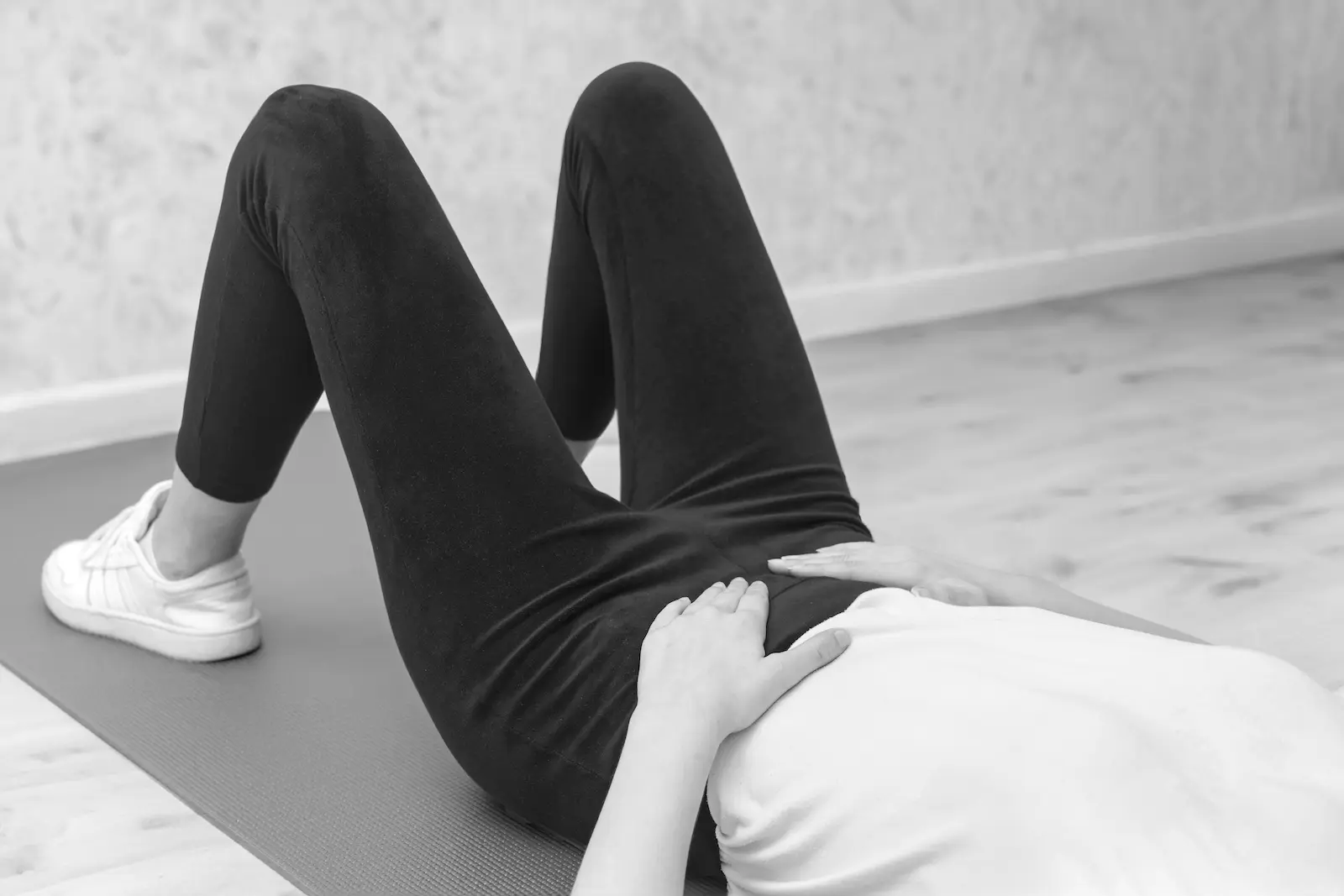
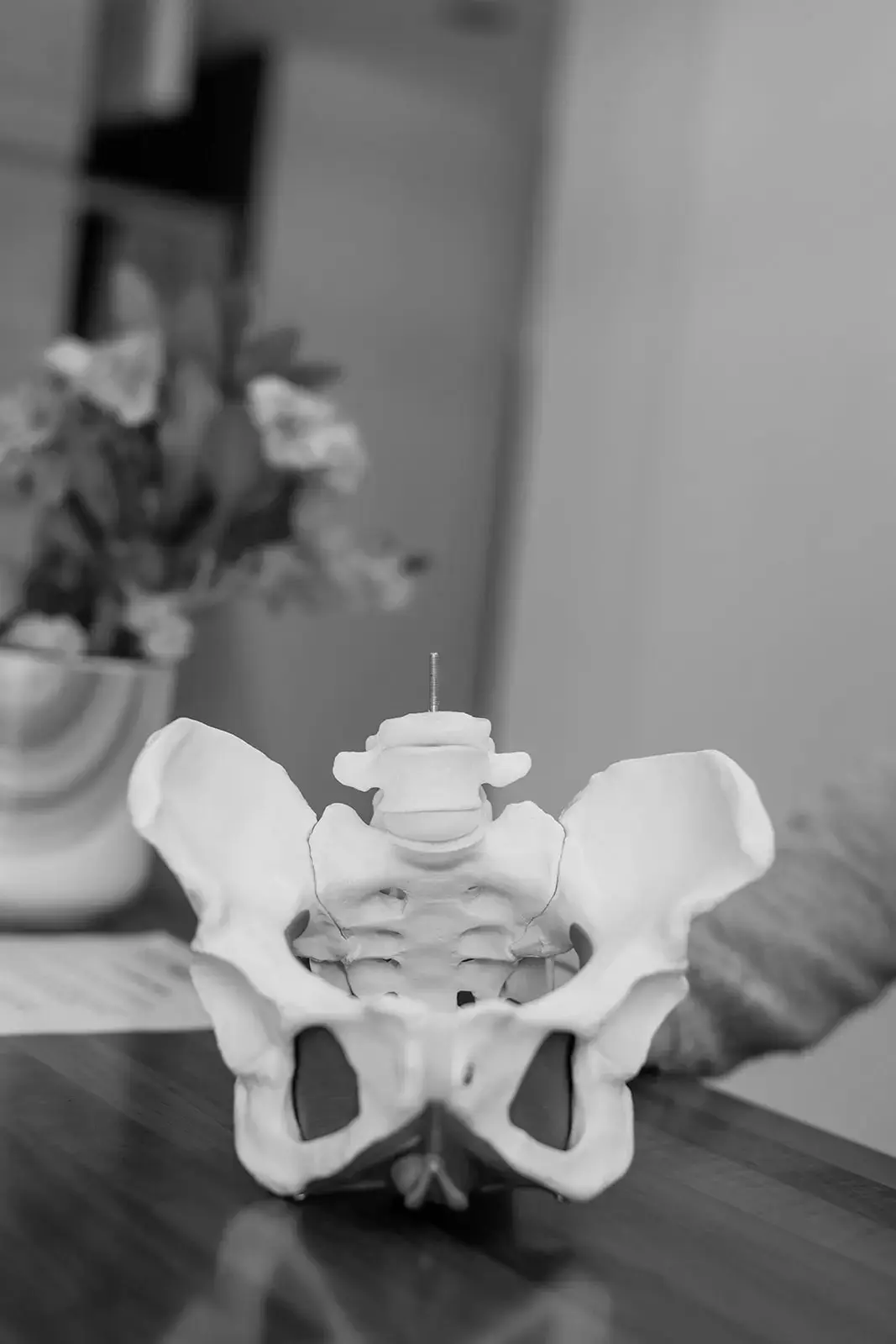
Pelvic physiotherapy is a specialized area of physiotherapy focused on the assessment and treatment of conditions related to the pelvic floor muscles, pelvis, and core and may help with:
- Urinary incontinence or urgency
- Prenatal and postpartum recovery
- Pelvic organ prolapse
- Constipation or bowel dysfunction
- Core weakness or diastasis recti
- Pelvic pain (including pain with intercourse, sitting, or exercise)
Pelvic physiotherapy includes a detailed assessment that may involve an internal exam (with your consent) and a personalized treatment plan.
It’s a safe and effective way to improve function, reduce symptoms, and restore quality of life.
Pelvic Physiotherapy
Sessions
Your Appointment
Options Explained
New patients
60 Minutes: Pelvic Health Initial Assessment.
Returning patients
- 30 Minutes: Pelvic Health Subsequent Treatment- Suitable if your therapist recommended this at your last appointment.
- 45 Minutes: Pelvic Health Subsequent Treatment- Standard follow up session.
- 60 Minutes: Pelvic Health Subsequent Treatment- Suitable if your therapist recommended this at your last appointment.
More Questions?
Meet Your Practitioners

Lindsay Skillicorn
Physiotherapist

Mikaela Sherlock
Physiotherapist
Pelvic Physiotherapy:
Your Questions Answered
FAQs
What should I expect during a pelvic physiotherapy appointment?
Your pelvic physiotherapy appointment will begin with a confidential discussion about your medical history, symptoms, and goals. Your physiotherapist will explain everything clearly and answer any questions you have.
The physical assessment may include:
- Posture and movement analysis
- Breathing and core function assessment
- External pelvic and abdominal exam
- An internal pelvic floor exam (only if appropriate and with your full consent)
The goal is to understand how your pelvic floor, core, and surrounding systems are functioning so that a personalized treatment plan can be developed. Treatment may begin during the first session and often includes:
- Education
- Exercises
- Manual therapy
- Lifestyle or posture recommendations
Initial assessments are one hour long, allowing time for a thorough and respectful approach.
When should I have pelvic physiotherapy during pregnancy or postpartum?
During Pregnancy:
We recommend checking in with a pelvic physiotherapist at key stages of pregnancy to support your comfort and preparation for birth:
- Between 12–20 weeks: A great time to assess pelvic floor function, core activation, posture, and address any early symptoms like incontinence or pain. We can also begin strategies to support a healthy, active pregnancy.
- Around 34–36 weeks: This visit focuses on preparing for birth—reviewing pushing techniques, perineal massage, pelvic mobility, and strategies for labor and delivery
You can also start pelvic physiotherapy at any time if you experience pelvic, back, or hip pain, pressure, or bladder issues.
Postpartum:
It’s recommended to book a pelvic physiotherapy assessment around 6 weeks postpartum. This visit focuses on:
- Healing of pelvic tissues and any birth-related injuries
- Pelvic floor and core recovery (including diastasis recti)
- Supporting recovery after a C-section, including scar tissue management
- Managing symptoms such as pain, incontinence, or heaviness
- Guidance on safely returning to activity, intimacy, or exercise
If you are experiencing pain or symptoms before 6 weeks postpartum, we can still help with a gentle assessment and offer safe movement, positioning, and self-care advice—no internal exam is done before 6 weeks.
Do I have to have an internal exam?
No. Internal exams are helpful but not required. Your physiotherapist will always respect your comfort level and offer alternatives to assess and treat externally.
Is pelvic floor physiotherapy safe during pregnancy?
Yes. It can help manage pelvic girdle pain, prepare for childbirth, and promote better bladder control during and after pregnancy.
How many sessions will I need?
It varies depending on the condition and individual goals. Some people benefit from just a few sessions, while others with more complex or chronic issues may need longer-term support.
Will my treatment include exercises?
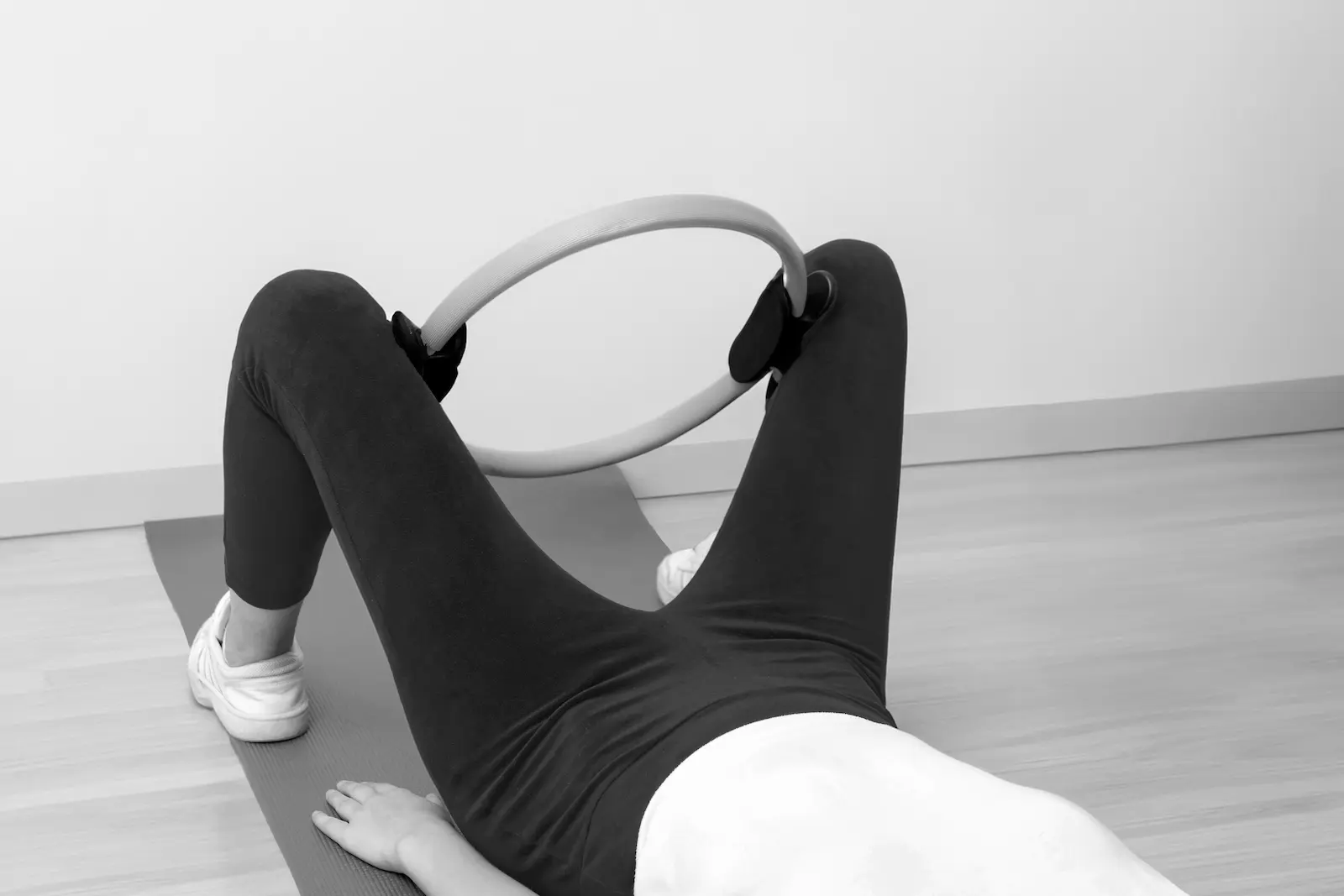
Yes. Exercises are often prescribed to improve pelvic floor strength, relaxation, coordination, and integration with your core and breathing patterns.
Do I need a referral?
In most cases, no referral is needed to see a pelvic floor physiotherapist, but check your insurance plan as some may require one for coverage.
Is pelvic floor physio covered by insurance?
Often, yes—if your plan includes physiotherapy. It’s best to verify with your insurance provider.
More Questions?